HVAC vs. Electrician: Which Skilled Trade is the Right Fit?
Author: Lina Banaitytė | 17 Μαρτίου, 2026
Across Europe, skilled trades are experiencing renewed attention as infrastructure ages, energy systems evolve, and building standards tighten. Heating, ventilation and air conditioning technicians and electricians sit at the centre of this transformation. Both professions keep homes safe, businesses operational, and industrial facilities running without interruption. Because demand remains strong for both roles, many people considering a technical career often ask the same question: should they choose HVAC or electrical work?
At first glance the two trades appear closely related. Both involve installation, maintenance, diagnostics, and repair of complex systems within buildings. Both require structured apprenticeships, professional licensing, and hands-on experience. Yet the day-to-day work differs in meaningful ways.
HVAC technicians spend their time managing climate control systems. Their work revolves around airflow, pressure, refrigerant cycles, compressors, thermostats, and ventilation. Understanding thermodynamics and mechanical systems becomes essential.
Electricians operate in a world defined by electrical theory. They design and install wiring systems, circuit breakers, distribution panels, and power infrastructure that deliver electricity safely through a building. Precision, safety standards, and strict code compliance shape every task.
For someone deciding between these trades, the difference is less about which profession is better and more about which mindset feels natural. One trade combines mechanical and electrical diagnostics inside complex machines. The other focuses on electrical systems that power everything else.
Compensation often becomes the first point of comparison when people evaluate skilled trades. Electricians generally report slightly higher median earnings across many developed economies, although the difference is rarely dramatic.
An experienced electrician working in commercial or industrial environments typically earns a strong wage because their expertise supports critical infrastructure. Power distribution, automation systems, and industrial electrical installations require extensive training. The responsibility attached to these tasks increases earning potential.
HVAC technicians can approach similar income levels once they specialise. Professionals who focus on refrigeration, commercial cooling systems, or industrial HVAC equipment often command higher rates than technicians performing standard residential maintenance. Expertise with refrigeration cycles, advanced diagnostics, and building management systems can significantly increase income.
Union membership also affects pay. Electricians working within organisations such as the International Brotherhood of Electrical Workers often benefit from structured wage scales, training programmes, and negotiated benefits. HVAC technicians working with associations such as ACCA may also access industry training and certification pathways that improve earning potential.
Another important factor is the type of work performed. Residential service roles often pay less than commercial or industrial positions, regardless of trade. Technicians working on large infrastructure projects or specialised equipment frequently earn more due to the complexity involved.
Certification plays a major role as well. Electricians who progress from apprentice to journeyman and eventually to master electrician status often see steady increases in income. HVAC technicians who hold certifications such as EPA 608 or NATE credentials may also command higher wages.
From a long term perspective, both trades offer strong financial stability. Skilled technicians who build a reputation for reliability rarely struggle to find work.
The journey into each trade follows a structured path that combines classroom education with hands-on training.
Electricians usually begin with an apprenticeship programme lasting four to five years. During this time apprentices work under licensed professionals while completing technical education. Topics include electrical theory, wiring methods, circuit design, safety standards, and regulatory compliance.
Because electrical systems present serious safety risks, licensing requirements tend to be strict. Most regions require electricians to pass examinations that confirm their knowledge of electrical codes and safe installation practices. In many countries the equivalent of the National Electrical Code provides the technical foundation for these exams.
HVAC technicians often start with trade school programmes that introduce refrigeration theory, electrical diagnostics, system installation, and maintenance procedures. After completing initial training, technicians gain experience through apprenticeships or entry level service roles.
A key certification in HVAC work involves refrigerant handling. Technicians who work with refrigerants must obtain EPA 608 certification, which demonstrates knowledge of safe refrigerant management and environmental protection requirements.
Both professions require careful documentation of training hours, job experience, and licensing progression. For many companies this administrative task becomes complex as the workforce grows. Field Service Management software helps simplify the process by digitally tracking technician certifications, work logs, and compliance documentation.
Proper documentation protects both technicians and companies. It ensures that qualified personnel perform regulated work and that licensing authorities can verify experience when professionals apply for higher certifications.
The physical demands of HVAC and electrical work differ in ways that shape the daily routine of each trade.
HVAC technicians frequently operate in difficult environments. Many service calls involve cramped attic spaces, narrow crawlspaces beneath buildings, or rooftops exposed to weather. Lifting compressors, installing ventilation systems, and handling refrigeration equipment can be physically demanding.
Seasonality also affects HVAC workloads. During heatwaves or cold spells, service requests increase rapidly as heating and cooling systems struggle under extreme demand. Technicians may face intense schedules during these peak periods.
Electricians tend to spend more time indoors, particularly when working on new construction projects or commercial renovations. Their tasks often involve installing wiring systems, configuring circuit panels, and ensuring electrical distribution networks meet regulatory standards.
Despite the more controlled environment, electrical work still requires physical endurance. Electricians frequently climb ladders, work in ceiling cavities, or operate within confined electrical rooms.
The nature of physical effort also differs between the trades. HVAC work often involves heavier equipment and mechanical components. Electrical work demands precision and careful attention to detail, especially when working with live systems or sensitive control circuits.
Understanding these differences helps individuals evaluate which type of physical environment suits them best.
Both professions demand strong analytical thinking, but the type of problem solving varies.
HVAC technicians operate in a multidisciplinary environment. A single service call may involve electrical diagnostics, mechanical inspection, airflow analysis, and refrigerant pressure testing. Troubleshooting a malfunctioning air conditioning system might require examining compressors, sensors, thermostats, and ventilation ducts simultaneously.
Because HVAC systems combine mechanical and electrical components, technicians must understand how different subsystems interact. This diversity makes HVAC troubleshooting intellectually stimulating but sometimes unpredictable.
Electricians approach problems differently. Their work centres on electrical distribution and power management. Diagnosing an electrical fault often involves tracing circuits, measuring voltage, examining wiring connections, and identifying compliance issues with electrical codes.
Precision becomes critical because small mistakes can cause safety hazards or system failures. Electricians must carefully interpret wiring diagrams and follow strict installation standards.
Some professionals describe HVAC as a trade that blends multiple disciplines, while electrical work demands deep expertise in a single domain. Neither approach is inherently more difficult. The preference depends on whether someone enjoys varied mechanical systems or focused electrical theory.
Many technicians eventually transition from field work into business ownership. When this happens the differences between HVAC and electrical trades begin to fade.
Running a service company introduces a new set of challenges. Scheduling technicians, managing inventory, maintaining service quality, and communicating with customers all become daily priorities.
A small business might begin with a single technician performing installations and repairs. As demand grows, the company must coordinate multiple teams across different locations. Without proper systems in place, operational complexity quickly increases.
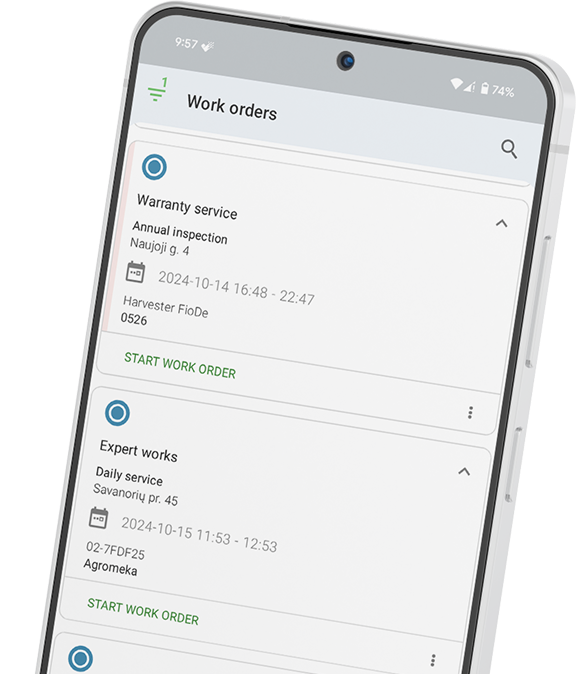
Field Service Management software provides the operational backbone required to scale. A digital platform allows dispatchers to assign jobs efficiently, track technician locations, and manage service appointments in real time.
Inventory management becomes easier when tools and materials are tracked digitally. Electrical companies may need to monitor wire spools, breakers, and electrical components. HVAC companies track refrigerant cylinders, compressors, and replacement parts. Centralised data prevents shortages and improves job preparation.
Digital reporting also helps companies maintain consistent service standards. Technicians can document diagnostics, installation details, and maintenance results directly from mobile devices. Managers gain visibility into operations without relying on paperwork or manual communication.
For growing service businesses, these systems often determine whether expansion becomes manageable or chaotic.
Customer relationships play a significant role in both trades, although the nature of interaction differs.
HVAC technicians frequently encounter urgent service situations. When a heating system fails during winter or an air conditioning unit stops working in extreme heat, customers may feel stressed or frustrated. Rapid response and clear communication become essential to maintaining trust.
Technicians must not only fix the technical problem but also reassure the customer that the issue has been properly resolved. Explaining repairs in simple language often helps homeowners feel confident about the service provided.
Electrical work tends to involve more project-based interactions. Electricians may be hired to complete renovations, install new circuits, or perform safety inspections. The pace of work is often less urgent, although safety concerns can still create pressure during certain situations.
Regardless of trade, modern customers expect transparency. They want to know when a technician will arrive, how long the repair will take, and what the final report will include.
Digital tools improve this experience significantly. With platforms such as Frontu, customers receive real time arrival updates, digital service documentation, and clear records of completed work. This transparency reduces misunderstandings and strengthens customer confidence.
Choosing between HVAC and electrical work ultimately depends on personal interests and strengths.
Some individuals enjoy the variety and mechanical complexity of climate control systems. Others prefer the structured logic of electrical networks and the satisfaction of building safe power infrastructure.
Both trades offer long term career stability, strong earning potential, and opportunities for professional growth. Skilled technicians remain essential to modern economies because buildings cannot function without reliable climate control and electrical systems.
The path does not end with technical expertise. Many professionals eventually become business owners, managing teams of technicians and serving growing customer bases.
Those who succeed most often share a common trait. They combine technical knowledge with modern digital tools that streamline operations and improve customer experience. Whether installing wiring systems or repairing refrigeration units, technicians who embrace efficient service management position themselves for long term success.
Both trades carry risks that require proper training and safety procedures. Electricians work directly with live electrical systems that can cause serious injury if handled incorrectly. HVAC technicians encounter high pressure refrigerant gases, heavy equipment, and mechanical hazards. With correct training and adherence to safety protocols, both professions maintain strong safety records.
HVAC technicians often work with electrical components within heating and cooling systems, such as wiring thermostats or testing control boards. However, major electrical installations typically require a licensed electrician. Regulations vary by region, so technicians must follow local licensing rules.
Some mechanical contractor licences allow professionals to work across multiple building systems, including HVAC and limited electrical installations. These licences are less common and usually require extensive training across both disciplines.
Yes. Apprenticeships represent one of the defining advantages of skilled trades. Apprentices earn wages while learning the profession under experienced technicians. Income increases gradually as apprentices gain experience and complete training milestones.
Both trades remain essential because buildings require electricity and climate control regardless of economic conditions. HVAC service work tends to remain particularly stable because heating and cooling systems must be repaired quickly when they fail.
Yes. Field Service Management platforms are designed to scale from individual technicians to large service fleets. Even small companies benefit from digital scheduling, mobile job reporting, and improved communication with customers.
The most practical approach involves gaining exposure to both environments. Working as a helper during a summer project or internship allows individuals to observe daily tasks and determine which type of work feels more natural. Real world experience often makes the decision clearer than theoretical comparisons.



Link copied!

 Table of Contents