HVAC Installer vs. Technician: Understanding the Differences
Author: Serhiy Tereshchenko | 18 mars, 2026
The heating, ventilation and air conditioning sector includes a range of field service roles that often appear similar from the outside. Two titles that frequently create confusion are HVAC installer and HVAC technician. Many people entering the trade assume these roles are interchangeable, yet their daily work, skill sets and career progression are quite different.
An HVAC installer primarily works with new systems. Their responsibility is to bring heating and cooling infrastructure to life inside residential or commercial buildings. This involves setting equipment in place, connecting ductwork and ensuring the system is ready for operation when the building project reaches completion.
An HVAC technician works with systems that already exist. Their role focuses on maintaining performance over time. Technicians diagnose faults, carry out repairs, optimise efficiency and ensure that heating or cooling systems continue to operate safely.
Both roles are essential for a functioning HVAC ecosystem. Installers build the foundation. Technicians protect and extend the life of that infrastructure. Understanding the difference is important for anyone considering a career in HVAC and for business owners managing field service teams.
The work of an HVAC installer begins long before a system is switched on. Installers are responsible for assembling the physical backbone of heating and cooling systems in homes, offices and industrial facilities. Their work typically follows a project-based structure rather than a series of short service calls.
A typical installation project may last one to three days depending on the size of the property and the complexity of the system being installed. During this time installers focus on several key tasks. They position outdoor condensers or indoor units, mount air handlers and connect ventilation infrastructure. Much of the work requires careful planning and precise measurements because ductwork must fit within the building structure without disrupting other utilities.
Running ductwork is one of the most demanding parts of the job. Installers often work in loft spaces, basements or service corridors where they must route air channels through tight areas. Proper alignment is crucial because poorly installed ducts can lead to airflow restrictions and efficiency losses.
Another critical responsibility involves brazing refrigerant lines. These copper lines carry refrigerant between the indoor and outdoor components of the system. The process requires both technical knowledge and steady hands because leaks can compromise the entire installation.
Installers also perform initial electrical connections that allow the system to operate. This does not replace the work of licensed electricians but installers must ensure that thermostats, control boards and communication wiring are properly integrated with the equipment.
Because installation work involves heavy equipment, physical endurance plays a significant role in the profession. Units often weigh more than 50 kilograms and may need to be lifted into position or transported across construction sites.
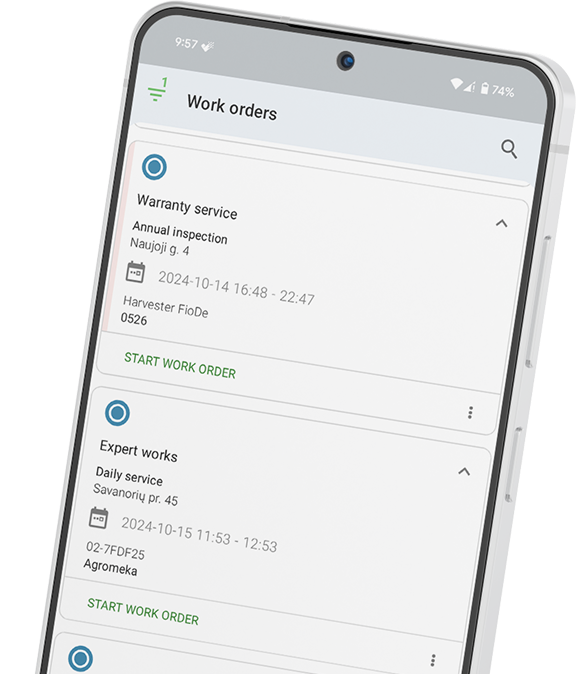
Modern installation teams increasingly rely on digital tools to manage their tasks. Field Service Management platforms such as Frontu allow installers to follow structured installation checklists directly on a mobile device. These checklists ensure that each step of the installation process meets company standards and manufacturer requirements.
Digital documentation also improves quality assurance. Installers can capture photographs of completed work, attach them to the job record and provide managers with instant visibility into field activity. This creates a reliable installation history that technicians can later reference if service issues arise.
While installers build new systems, HVAC technicians focus on keeping existing equipment running efficiently. Their work revolves around diagnostics, repair and preventative maintenance.
The daily routine of a technician often involves visiting multiple properties in a single day. Each visit presents a different challenge. One homeowner may report that their heating system produces unusual noises. Another may notice that cooling performance has dropped during warm weather. A commercial client might face intermittent electrical faults that cause equipment shutdowns.
Technicians approach these situations as investigators. They examine airflow levels, electrical connections, refrigerant pressures and system controls to identify the underlying cause of the problem. Troubleshooting requires patience and analytical thinking because symptoms rarely reveal the full story.
Electrical diagnostics form a large portion of the technician’s role. Modern HVAC systems contain circuit boards, sensors and control modules that regulate performance. A malfunctioning relay or thermostat can disrupt the entire system. Technicians must interpret electrical diagrams and test components carefully to isolate faults.
Preventative maintenance is another critical part of the job. Technicians inspect equipment periodically to detect issues before they escalate into costly breakdowns. Tasks may include cleaning coils, replacing filters, checking refrigerant levels and calibrating thermostats.
Unlike installation work, which follows a structured project timeline, service calls require adaptability. Technicians often respond to urgent situations where heating or cooling has stopped working completely. In colder climates this can become a serious safety issue for residents or businesses.
Field Service Management software plays an important role in supporting technicians. Before arriving on site, technicians can access the complete service history of a unit through platforms such as Frontu. Previous repair notes, inspection reports and parts replacements provide valuable context that speeds up diagnostics.
Technicians also use digital inventory tracking to identify which spare parts are available in their service vehicles. This reduces return visits and allows repairs to be completed during the first appointment.
Income levels in the HVAC industry vary depending on location, experience and type of employer. However, certain patterns consistently appear when comparing installers and technicians.
Technicians often earn slightly higher salaries than installers. This difference reflects the advanced diagnostic skills required to troubleshoot complex equipment. Diagnosing electrical or refrigerant system faults demands specialised knowledge and years of experience.
Installers may see higher earnings during periods of intense construction activity. Large commercial projects often require extended working hours, which can increase income through overtime. Installation teams may also receive bonuses tied to project completion schedules.
Career progression also differs between the two paths.
Installers frequently advance toward leadership roles on construction projects. Experienced installers can become installation foremen responsible for coordinating teams and ensuring that projects meet building standards. Some eventually move into project management roles where they oversee entire HVAC installations within major developments.
Technicians typically progress into more specialised service positions. Senior technicians often become diagnostic experts who handle the most complex repair cases. Others move into service management roles where they supervise technician teams and coordinate daily service schedules.
Some professionals transition between these paths over time. An installer who understands how systems are assembled often develops a deep mechanical intuition. When that knowledge is combined with electrical training, it creates a strong foundation for becoming an excellent technician.
Despite their different responsibilities, installers and technicians share several core requirements.
The most widely recognised certification in the HVAC sector is EPA Section 608 certification. This qualification allows professionals to handle refrigerants safely and legally. Because both installers and technicians interact with refrigerant systems, this certification is essential for either role.
Mechanical aptitude is particularly important for installers. They must understand how to position equipment, align duct systems and secure heavy components safely. Precision matters because small installation errors can affect long term performance.
Physical stamina also plays a major role in installation work. Installers spend significant time lifting equipment, working in confined spaces and navigating construction environments.
Technicians rely more heavily on electrical and analytical skills. They must interpret wiring diagrams, understand system controls and analyse performance data from sensors or gauges. The ability to think logically through complex problems separates experienced technicians from beginners.
Training pathways usually involve apprenticeships or vocational programmes. Apprentices gain practical experience while learning theory related to thermodynamics, airflow and electrical systems.
Transitioning between installer and technician roles is common. Many technicians began their careers installing systems. Installation experience provides valuable insight into how equipment is assembled. This perspective can make troubleshooting more intuitive because technicians understand what lies behind walls or within mechanical spaces.
From the viewpoint of an HVAC business owner, installers and technicians represent two complementary forces within the organisation.
Installers drive revenue from new system projects. These jobs often involve large contracts tied to construction timelines. Installation teams typically require blocks of uninterrupted time to complete their work efficiently.
Technicians generate revenue through ongoing service and maintenance agreements. Their schedules must remain flexible because service calls arrive continuously throughout the day.
Balancing these two workflows can be challenging. Installation projects demand careful planning and resource allocation. At the same time, service requests require dynamic scheduling to ensure that technicians reach customers quickly.
Field Service Management platforms provide a way to manage both roles effectively. Systems such as Frontu allow managers to visualise installation projects alongside daily service calls. This dual view helps companies allocate staff without creating scheduling conflicts.
Digital scheduling tools also improve communication between teams. Installation crews can record detailed information about newly installed equipment, including serial numbers, configuration details and photographs. When technicians later service the same equipment, they already have access to that information.
Inventory management also becomes more efficient when both roles share the same digital environment. Spare parts used by technicians can be tracked in real time, while installers can confirm that required components are available before beginning a project.
For growing HVAC companies this type of digital coordination becomes essential. As service territories expand and teams increase in size, manual scheduling systems struggle to keep pace with operational complexity.
Choosing between becoming an HVAC installer or technician ultimately depends on personal strengths and interests.
Installers tend to thrive when they enjoy building systems from the ground up. Their work is physically demanding but offers the satisfaction of completing visible projects that bring new infrastructure into operation.
Technicians often prefer the intellectual challenge of problem solving. Each service call presents a different puzzle that requires careful diagnosis and technical knowledge.
Both paths offer long term stability and meaningful career development. HVAC systems remain essential in residential and commercial environments throughout Europe, creating constant demand for skilled professionals.
Digital competence increasingly shapes success within the field. Installers who document their work effectively and technicians who analyse service data through Field Service Management platforms gain a clear advantage as companies modernise operations.
Whether someone chooses installation or diagnostics, the HVAC industry provides a career built on practical skill, technical knowledge and real world impact.
Many beginners start as installers because the work exposes them to the physical structure of HVAC systems. Seeing how components fit together builds a strong mechanical foundation. This experience can later make diagnostic training easier if they decide to transition into technician work.
Licensing requirements differ across regions and countries. In many places both roles require EPA 608 certification to handle refrigerants. Additional certifications or apprenticeship qualifications may be required depending on local regulations.
Yes. Installation projects usually involve multiple workers because systems are large and require coordination. Teams handle equipment transport, duct installation and system assembly together.
Technicians still perform physical tasks such as replacing components or accessing equipment in tight spaces. However, their work generally involves less heavy lifting than installation jobs.
Demand exists for both roles. Installation demand often rises alongside construction activity, while technician demand remains steady because existing systems require ongoing maintenance and repair.
Frontu helps installation teams follow structured job checklists, document completed installations and tag equipment assets. This creates a detailed record of each installation that supports quality control.
Frontu allows technicians to access a system’s service history before arriving on site. They can review previous repairs, check spare parts availability and record diagnostics directly within the platform.



Link copied!

 Table of Contents