HVAC Yearly Maintenance Cost: What Should You Expect?
Author: Arūnas Eitutis | 6 März, 2026
Heating and cooling systems are among the most expensive technical assets in a property. For homeowners and property managers across Europe, the key question is simple: what does it cost to maintain an HVAC system properly each year?
Annual HVAC maintenance typically ranges between €140 and €460, depending on system type, property size, and the level of service included. In most cases, the cost reflects scheduled inspections, system cleaning, and minor adjustments that keep equipment operating at its designed efficiency.
While the price may initially appear as another operational expense, regular servicing protects a far more valuable investment. A properly maintained heating or cooling system can operate reliably for more than a decade, whereas neglected equipment often fails years earlier and leads to significantly higher replacement costs.
Maintenance is therefore less about paying for occasional technician visits and more about protecting the full lifecycle value of the equipment.
HVAC maintenance pricing varies based on the scope of work and the type of system being serviced. Several key factors determine what a property owner ultimately pays.
One time tune ups are the most basic option. These visits generally cost between €70 and €190 per appointment. During a single visit, a technician inspects the system, performs a quick functional check, and addresses minor adjustments.
Annual service contracts are more comprehensive. These plans usually range between €140 and €460 per year and often include scheduled visits, priority support, and reduced repair costs if issues arise later.
System complexity also affects the price. A simple split air conditioning system requires less inspection time than a heat pump or a combined heating and cooling installation. Heat pumps require careful calibration because they operate in both heating and cooling modes.
Commercial buildings present a different scale of work altogether. Office buildings, industrial facilities, and retail spaces often contain multiple rooftop units, complex ventilation systems, and integrated building management controls. In these environments, maintenance costs increase significantly because technicians must inspect multiple components and document system performance.
Property management firms therefore often rely on long term maintenance agreements that cover entire building portfolios rather than individual units.
Many property owners initially prefer paying only when something goes wrong. However, this approach usually results in higher costs over time.
A structured maintenance plan offers several advantages that single service visits cannot provide.
First, it ensures consistent system monitoring. HVAC components degrade gradually. When technicians inspect equipment regularly, they can detect refrigerant leaks, compressor wear, or electrical faults before they develop into serious failures.
Second, maintenance plans often provide priority scheduling. During extreme heat or cold, HVAC companies experience a surge in emergency service requests. Customers with maintenance agreements are typically placed at the front of the service queue.
Third, preventive servicing reduces long term repair costs. A small refrigerant imbalance or clogged condenser coil can strain compressors and motors. Fixing these small issues early prevents expensive component failures.
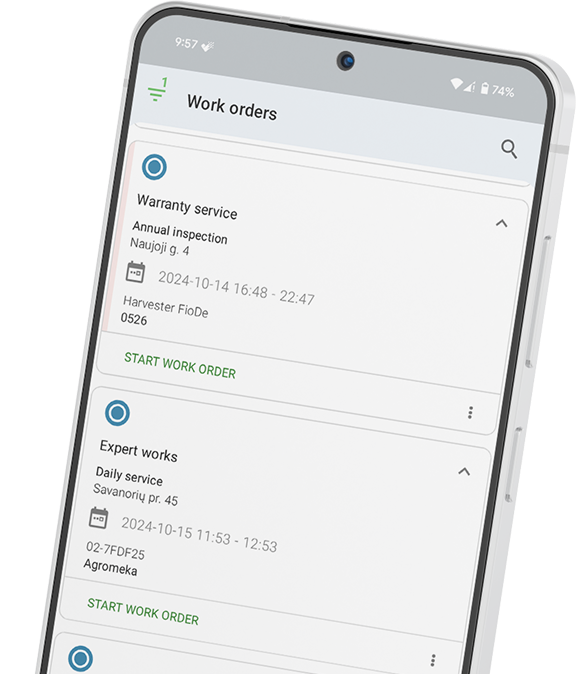
Modern HVAC contractors increasingly rely on Field Service Management software to manage these service plans effectively. Systems such as Frontu allow contractors to track system history, schedule preventive maintenance automatically, and ensure that service intervals are never missed.
For the property owner, this creates transparency. Maintenance becomes a documented process rather than a vague promise.
Professional HVAC maintenance follows a structured checklist designed to ensure every critical component functions correctly.
For air conditioning systems, technicians typically begin with coil cleaning. Dust and debris accumulate on condenser and evaporator coils, reducing heat exchange efficiency. Cleaning these surfaces restores proper airflow and cooling performance.
Technicians also inspect refrigerant levels. If refrigerant drops below the recommended level, the compressor must work harder to achieve the same cooling output. This increases energy consumption and accelerates mechanical wear.
Electrical components are another priority. Contractors examine contactors, capacitors, wiring connections, and control boards to ensure safe operation.
Heating systems require a different inspection routine. Furnaces and boilers must undergo burner cleaning and combustion analysis to verify proper fuel ignition and safe operation.
The heat exchanger receives particular attention because cracks or corrosion can allow carbon monoxide to enter indoor spaces.
In addition to heating and cooling checks, technicians usually perform general tasks such as replacing air filters, calibrating thermostats, and inspecting ductwork for airflow restrictions.
These small procedures collectively ensure that the entire system operates efficiently rather than forcing one component to compensate for another.
The quality of maintenance service has a direct effect on the lifetime cost of an HVAC system.
Two technicians may perform the same inspection, yet the long term results can differ significantly depending on how the work is managed and documented.
Contractors that rely on manual paperwork often struggle with scheduling inefficiencies. Missed appointments, incomplete job reports, and poorly documented inspections create gaps in system maintenance history.
This is where digital field service tools make a measurable difference.
When technicians use platforms such as Frontu, each maintenance visit is recorded with digital checklists, photographs, and equipment records. The system tracks the entire lifecycle of the HVAC unit, including repairs, part replacements, and performance notes.
Efficient scheduling also reduces operational overhead for contractors. Routes can be optimised, travel time minimised, and technicians dispatched with the correct tools and spare parts.
Lower operational costs allow service providers to offer more competitive maintenance pricing without reducing service quality.
For property owners, the benefit is predictable maintenance spending and documented proof that every inspection was completed according to professional standards.
Skipping annual HVAC maintenance may appear to save money in the short term, but the hidden costs often exceed the price of regular servicing.
Energy inefficiency is the first consequence. A dirty condenser coil or restricted airflow forces the system to run longer cycles to maintain indoor temperatures. This can increase energy consumption by 10 to 25 percent.
In regions where electricity prices continue to rise, this inefficiency can add hundreds of euros to yearly utility bills.
System lifespan is another concern. Most HVAC systems are designed to operate for around fifteen years. Without regular maintenance, compressors and fans experience greater mechanical stress, which can reduce system life to eight or ten years.
Replacing a full HVAC installation can cost thousands of euros. Compared with that expense, preventive servicing represents a relatively small investment.
Warranty protection is another factor often overlooked by property owners. Many manufacturers require proof of annual servicing to maintain warranty coverage. Without service documentation, claims for compressor or component replacement may be rejected.
Regular maintenance therefore protects not only system performance but also the financial protections associated with the equipment.
Choosing the right maintenance plan requires more than comparing the lowest price.
Property owners should examine exactly what the service agreement includes.
Some plans provide only basic inspection services. These programmes verify system operation but may charge additional fees for cleaning, adjustments, or minor repairs.
More comprehensive agreements include full maintenance services such as coil cleaning, filter replacement, and system calibration. Although these plans may cost slightly more, they typically deliver better long term value.
Emergency service policies are also important. Many providers waive call out fees for customers with active maintenance plans, which can significantly reduce costs during urgent repairs.
Another useful feature is digital asset management. Contractors using modern service platforms can provide clients with detailed health reports for each HVAC unit.
These reports track system performance over time and help property managers decide when upgrades or replacements should be scheduled.
HVAC maintenance should be viewed as part of responsible asset management rather than a discretionary expense.
A typical annual cost between €140 and €460 covers inspections, cleaning, and performance adjustments that protect the efficiency and lifespan of heating and cooling equipment.
The cheapest service option is not always the best choice. Reliable maintenance depends on organised scheduling, detailed inspections, and transparent reporting.
Contractors that use professional Field Service Management tools such as Frontu can provide consistent service quality, accurate system records, and predictable maintenance costs.
For homeowners and property managers across Europe, choosing a structured maintenance plan backed by modern service technology is one of the simplest ways to protect both comfort and long term property value.
Yes, a few simple tasks can be handled by property owners. The most important is replacing or cleaning air filters regularly. Blocked filters restrict airflow and reduce system efficiency. Outdoor condenser units should also remain free from leaves, dust, and debris.
However, technical inspections involving refrigerant levels, electrical components, or combustion systems should always be performed by certified HVAC technicians.
Most professionals recommend servicing HVAC systems twice per year. One inspection should occur before the cooling season begins and another before heating systems are used regularly.
This ensures both heating and cooling components operate safely and efficiently.
Yes. When coils, fans, and filters are clean, the system operates closer to its designed efficiency rating. Efficient airflow and balanced refrigerant levels allow the unit to maintain indoor temperatures using less energy.
Many HVAC companies offer reduced maintenance pricing during spring and autumn. These periods are often referred to as shoulder seasons because demand for emergency service is lower.
Heat pumps require careful servicing because they operate throughout the entire year. Unlike systems dedicated to heating or cooling, heat pumps must function efficiently in both modes. This increases the importance of regular inspection and calibration.
Look for companies with strong customer reviews, proper licensing, and transparent maintenance plans. Ask whether they provide digital inspection reports and system history tracking.
Contractors that document their work clearly tend to deliver more consistent service quality.
Frontu is a Field Service Management system designed to help HVAC contractors organise maintenance work.
The platform manages work orders, preventive maintenance schedules, technician routing, and digital service documentation. By streamlining operations, it allows contractors to deliver consistent maintenance services while keeping operational costs under control.



Link copied!

 Table of Contents