

 Table of Contents
Bring simplicity to your field service operations.
Our list of integrations is updated frequently. Explore each integration in its own separate page for more information.
Rental equipment moves all the time. A machine may leave the depot in the morning, work at a customer site for two weeks, return for inspection, then head back out again the next day.
That constant movement creates daily pressure for rental teams. Managers need to know where each asset is, who has it, what shape it is in, and when it needs service.
Without the right software, rental firms lose time fast. Equipment sits idle, service checks get missed, and staff chase updates through calls, emails, and paper forms.
Rental equipment management software helps solve those problems. These tools track asset location, booking status, service history, inspection records, and maintenance needs in one place.
Some systems focus on bookings and contracts. Others focus on field service management and maintenance work. Many rental firms now use both.
This guide explains the main software types, the key features to look for, and how FSM platforms support rental fleet operations.
Rental fleets rarely stay in one place. Equipment moves between depots, customer sites, repair yards, and storage areas every week.
That movement makes tracking hard. A depot manager may not know whether an asset has returned, needs inspection, or remains at a customer site.
Real-time tracking helps rental teams avoid delays. It also cuts the risk of lost assets and missed bookings.
Equipment often comes back with wear or damage. Some faults stay hidden until the next customer starts using the machine.
Without a clear inspection process, teams miss service work. Damage disputes also become harder to resolve.
Digital inspections create a clear record. Staff can log faults, add photos, and capture signatures before the asset leaves or returns.
Rental firms cannot service equipment whenever a technician becomes free. Maintenance must fit around the rental calendar.
That creates a planning challenge for busy fleets. An excavator booked for the next two weeks cannot stop for service halfway through the rental.
Manual scheduling breaks down fast at scale. Teams need software that links service plans with asset availability.
Rental firms make money when assets stay in use. Each hour spent in repair or waiting for parts reduces revenue.
Managers need to track which assets earn income and which spend too much time off the road.
Utilisation data also supports investment decisions. It helps firms decide whether to repair, replace, or retire ageing equipment.
Rental booking platforms manage the commercial side of rental operations. They handle bookings, contracts, pricing, invoicing, and asset availability.
These systems work well for booking control. They help rental firms manage calendars and customer transactions across large fleets.
Most booking tools offer limited maintenance workflows. They may track whether equipment is available, but they rarely manage inspections, technician dispatch, or field repairs in depth.
FSM software manages the service side of rental operations. It handles the work that happens before, during, and after each rental cycle.
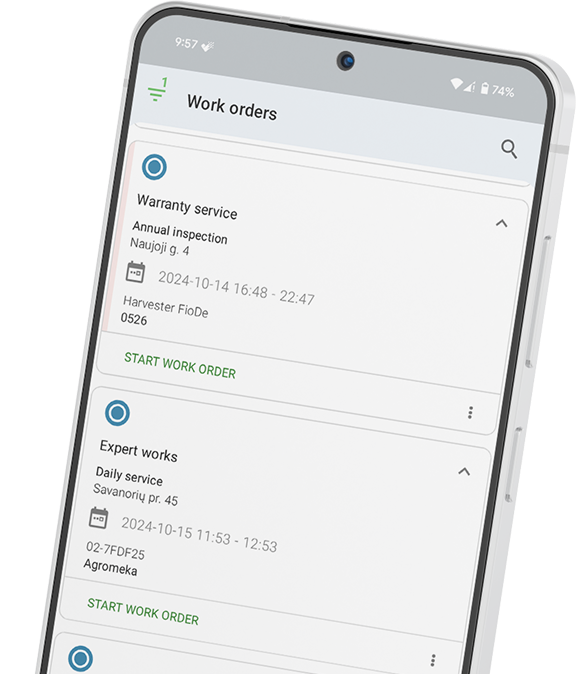
An FSM platform creates work orders for inspections, repairs, and preventive maintenance. It also schedules technicians and tracks service progress in real time.
When equipment breaks down during a rental, dispatch teams can send a technician straight to the customer site.
FSM software also stores full service history for each asset. Teams can view past repairs, inspection records, and replaced parts from one system.
For many rental businesses, maintenance is one of the largest cost centres. Strong service workflows often deliver a higher return than booking features alone.
Rental firms that already use heavy equipment software or field service management tools can often extend those systems into rental operations.
Many rental firms use both a booking platform and an FSM system together.
The booking platform manages contracts and rental schedules. The FSM system manages inspections, maintenance, technician dispatch, and repair workflows.
That integration removes manual work. When a booking gets confirmed, the FSM platform can trigger a pre-rental inspection automatically.
When equipment returns, the system can create a post-rental work order right away. Managers gain a clear view of asset condition before the next rental begins.
Frontu supports this approach through its open API architecture. Rental firms can connect service workflows with existing booking and ERP systems without major custom development.
Each rental asset should have a full digital service record. That history should include inspections, repairs, maintenance tasks, and part replacements.
Technicians use those records to diagnose repeat faults faster. Managers use them to track long-term maintenance costs.
Service history also supports warranty claims and compliance checks. A complete audit trail reduces risk during inspections or customer disputes.
Inspections protect both the rental firm and the customer. They create a clear record of equipment condition before and after each rental.
Digital checklists help teams follow the same process every time. Staff can record damage, capture photos, and collect digital sign-offs from any device.
That process cuts disputes and improves accountability. It also helps maintenance teams catch issues before the next booking starts.
Service schedules must match rental availability. Equipment booked for long rentals cannot disappear into the workshop without warning.
Software linked to the rental calendar solves that issue. The system can flag assets that approach service intervals during future bookings.
Managers then have time to adjust the plan. They can bring maintenance forward or block the asset before the rental starts.
Rental teams need to know where each asset sits at all times. That visibility supports dispatch, planning, and customer support.
GPS telematics provide live location data for connected assets. Some firms also use QR code check-in and check-out workflows for lower-cost tracking.
Location tracking improves utilisation reporting as well. Managers can see which assets spend the most time generating revenue.
The system can also alert teams when equipment misses its return date. That helps firms act before delays affect future bookings.
Frontu focuses on the maintenance and service side of rental fleet operations.
The platform helps rental firms manage inspections, maintenance planning, technician dispatch, and repair workflows across moving fleets.
Teams can create work orders for pre-rental checks, post-rental inspections, and breakdown response during active rentals.
Digital inspection forms support photo capture and electronic sign-off. That gives rental firms a clear record of asset condition at each stage.
Technicians can access full service history from any device. Managers can track repair progress and technician location in real time.
Frontu also supports spare parts management within the maintenance workflow. That helps service teams reduce delays caused by missing parts.
Rental companies managing mixed fleets across several depots can view maintenance status from one platform.
See how Frontu manages the service side of your rental fleet. Book a free demo.
Rental equipment management software helps rental firms track, manage, and maintain their fleet. It covers asset location, booking schedules, maintenance planning, inspections, and service records.
Most rental firms use separate systems for each task. Booking platforms manage contracts and scheduling, while FSM tools manage inspections, repairs, and technician workflows.
FSM software manages the service workflow around rental operations. It schedules inspections, dispatches technicians, records service history, and tracks maintenance tasks.
A pre-rental inspection should cover safety checks, fluid levels, tyre condition, mechanical status, and operational testing. Teams should also capture photos and digital sign-offs.
Many rental firms use GPS telematics for live asset tracking. Others use QR code check-in and check-out workflows when telematics are not practical.




Our list of integrations is updated frequently. Explore each integration in its own separate page for more information.
Link copied!
Join 10,000+ FSM leaders. Subscribe to our monthly expert-led newsletter. We find and report on case studies, success stories and playbooks that are working out there right now.