

 Table of Contents
Bring simplicity to your field service operations.
Our list of integrations is updated frequently. Explore each integration in its own separate page for more information.
Heating, ventilation and air conditioning are often discussed as separate technologies, yet they function as one integrated system responsible for maintaining comfort inside a building. HVAC refers to the coordinated equipment that regulates temperature, humidity and air quality within indoor environments. The aim is not simply to warm or cool a room but to create a stable indoor climate where people can live and work comfortably.
Across Europe, HVAC systems play a central role in residential buildings, offices and industrial facilities. Northern climates require reliable heating during long winters, while southern regions depend on effective cooling during hot summers. Ventilation bridges both needs by ensuring indoor air remains clean and breathable.
Understanding the fundamentals of HVAC allows homeowners and facility managers to recognise how their systems operate, why maintenance matters and how technicians diagnose problems. Even basic knowledge can help people communicate more effectively with service professionals and make informed decisions about system upgrades.
Every HVAC system revolves around three functional pillars. Heating delivers warmth during colder months, cooling removes excess heat during warmer periods, and ventilation keeps indoor air fresh.
Heating systems generate thermal energy and distribute it through the building. In many European homes, heating originates from a furnace, a boiler or a heat pump. A furnace heats air and circulates it through ductwork, while boilers heat water that travels through radiators or underfloor systems. Heat pumps operate differently by transferring heat from outside air or ground sources into the building.
Cooling systems rely on the refrigeration cycle. Instead of creating cold air, they remove heat from indoor spaces and release it outside. This process depends on refrigerant, a fluid that changes between liquid and gas states while transporting heat through coils and compressors.
Ventilation ensures air circulation and quality. Natural ventilation occurs when fresh air enters through windows, vents or small openings in the building structure. Mechanical ventilation uses fans and ducts to actively move air. Modern systems often combine ventilation with filtration to remove dust, allergens and pollutants before the air reaches occupied spaces.
These three functions operate simultaneously in many systems. Heating, cooling and ventilation components communicate with each other to maintain a stable indoor environment regardless of external conditions.
Although HVAC installations vary between buildings, several components appear in nearly every system. Each part plays a specific role in maintaining indoor comfort.
The thermostat acts as the control centre. It measures indoor temperature and signals the system when heating or cooling is required. When the temperature deviates from the desired setting, the thermostat sends a command that activates the relevant equipment.
The indoor unit is where heating or cooling interacts directly with circulating air. In furnace based systems, the furnace heats the air before it moves through ducts. In cooling mode, the evaporator coil located inside the air handler absorbs heat from indoor air as refrigerant passes through the coil.
The outdoor unit handles heat exchange with the environment. The condenser and compressor are typically located outside the building. During cooling, the system releases indoor heat outdoors through this unit. In heat pump systems the process can reverse, drawing heat from outside air even when temperatures are relatively low.
Ductwork distributes conditioned air throughout the building. These channels function much like arteries in a circulatory system, carrying heated or cooled air to individual rooms. Vents and registers regulate airflow into each space, allowing occupants to adjust local comfort levels.
Air filters complete the basic system by trapping dust and particles before they circulate through the duct network. Clean filters protect internal components while improving indoor air quality.
HVAC professionals often use technical terminology that can sound unfamiliar to homeowners. Understanding a few key concepts makes it easier to interpret system specifications and maintenance recommendations.
Refrigerant is the fluid responsible for moving heat through the refrigeration cycle. As it travels through the system, it alternates between liquid and gas states. This phase change allows it to absorb heat indoors and release it outdoors.
Efficiency ratings help compare different HVAC systems. Seasonal Energy Efficiency Ratio, commonly known as SEER, measures how efficiently an air conditioning system converts electricity into cooling output over an entire season. For heating equipment, Annual Fuel Utilisation Efficiency, or AFUE, expresses how effectively fuel energy becomes usable heat.
BTU stands for British Thermal Unit. It measures the amount of heat energy required to raise the temperature of one pound of water by one degree Fahrenheit. In HVAC practice, BTU ratings indicate the heating or cooling capacity of equipment. Higher BTU capacity means the system can handle larger spaces or heavier thermal loads.
Organisations such as ASHRAE, the American Society of Heating, Refrigerating and Air Conditioning Engineers, and ENERGY STAR guidelines often influence efficiency standards worldwide, including in European markets where energy performance is tightly regulated.
Even the most advanced HVAC systems require regular care to operate efficiently. Maintenance ensures that components function correctly and that energy consumption remains under control.
Simple tasks performed by homeowners can prevent many common issues. Changing air filters regularly keeps airflow unrestricted and prevents dust from accumulating inside the equipment. Depending on filter type and household conditions, replacement may be necessary every month or every few months.
Professional maintenance is equally important. Most manufacturers recommend inspections at least twice a year, typically before the heating season and again before the cooling season. During these visits, technicians inspect electrical connections, refrigerant levels, coil cleanliness and system performance.
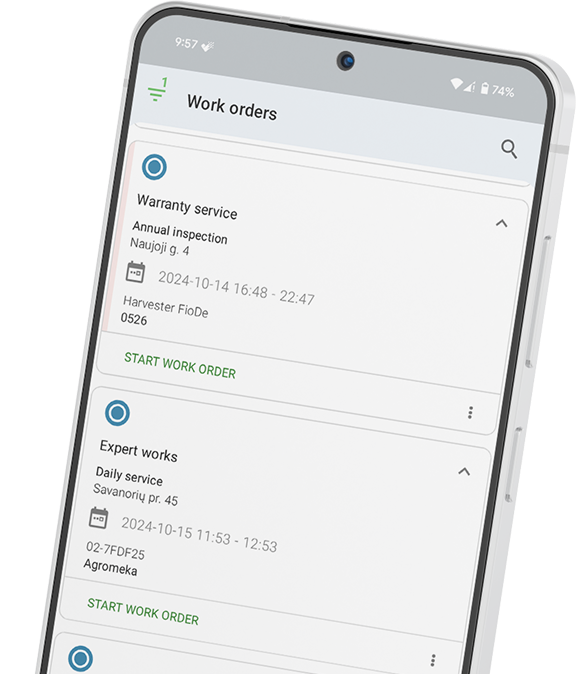
Modern service companies increasingly rely on digital tools to manage maintenance schedules. Field Service Management platforms such as Frontu allow technicians to record inspection results, track service history and follow structured checklists during each visit. This digital record ensures that maintenance tasks are completed consistently and that equipment remains within warranty requirements.
Accurate service records also help technicians identify recurring issues. When a system experiences performance changes, historical data provides valuable clues about possible causes.
HVAC systems rarely fail without warning. In many cases, early symptoms appear long before a major breakdown occurs. Recognising these signs allows homeowners to request service before small problems become expensive repairs.
Unusual noises often indicate mechanical stress within the system. Clanking sounds may suggest loose components, while squealing noises can point to worn belts or bearings. Any persistent sound outside normal operation deserves attention.
Inconsistent temperatures between rooms can reveal airflow restrictions or duct problems. When certain areas remain colder or warmer than others, the system may struggle to distribute air evenly.
Sudden increases in energy bills can also signal inefficiency. When equipment works harder to maintain the same temperature, electricity or fuel consumption rises noticeably.
Technicians frequently rely on digital service platforms when diagnosing these problems. By reviewing maintenance records and past performance data on mobile devices, they can quickly identify patterns that help locate the underlying issue.
HVAC technology continues to evolve as buildings become more energy conscious and digitally connected. Smart thermostats represent one of the most visible changes in residential climate control.
These devices learn household patterns and adjust temperatures automatically. They can also connect to mobile applications, allowing homeowners to monitor and control their systems remotely.
High efficiency heat pumps are gaining popularity throughout Europe as well. Because they transfer heat instead of generating it through combustion, they can deliver substantial energy savings while supporting decarbonisation goals.
Digital management plays an increasingly important role in this environment. Modern HVAC equipment generates operational data that technicians can analyse during maintenance visits. Field Service Management software supports this transition by organising service workflows, recording performance indicators and ensuring that complex systems remain properly maintained.
In many service organisations, digital coordination has become just as critical as the mechanical hardware itself.
HVAC systems combine multiple technologies that work together to regulate temperature and maintain indoor air quality. Heating equipment supplies warmth, cooling systems remove excess heat, and ventilation ensures that indoor air remains fresh and healthy.
While these systems may appear complex, understanding their basic principles makes them far easier to manage. Recognising how major components operate, why maintenance matters and what warning signs indicate potential issues empowers homeowners to make smarter decisions about their comfort systems.
Professional technicians rely on structured service processes and digital tools to maintain these installations effectively. Platforms such as Frontu help standardise inspections, track maintenance history and ensure that every service visit follows clear operational guidelines.
When technical expertise is combined with organised service management, HVAC systems deliver reliable comfort and efficient performance throughout their lifespan.
HVAC stands for heating, ventilation and air conditioning. It refers to the systems that regulate temperature, humidity and air quality inside buildings.
Many standard air filters require replacement every month. High quality pleated filters may last up to three months depending on household conditions and system usage.
Heat pumps are highly efficient because they transfer heat rather than generate it through combustion. However, their effectiveness depends on climate conditions. Furnaces can provide stronger heating in extremely cold environments.
With proper maintenance, most HVAC systems operate for fifteen to twenty years. Lifespan depends on equipment quality, installation standards and maintenance frequency.
On very hot days, air conditioning systems may run for extended periods to maintain indoor temperature. If continuous operation occurs under moderate weather conditions, the system may require inspection or may be incorrectly sized.
Basic maintenance tasks such as changing filters are safe for homeowners. Repairs involving refrigerants, electrical systems or internal components should always be performed by qualified technicians.
Frontu supports HVAC technicians by organising inspection checklists, recording maintenance visits and storing service history in a central digital platform. This structure ensures that each component receives proper attention during routine service and helps technicians diagnose problems more efficiently.




Our list of integrations is updated frequently. Explore each integration in its own separate page for more information.
Link copied!
Join 10,000+ FSM leaders. Subscribe to our monthly expert-led newsletter. We find and report on case studies, success stories and playbooks that are working out there right now.